
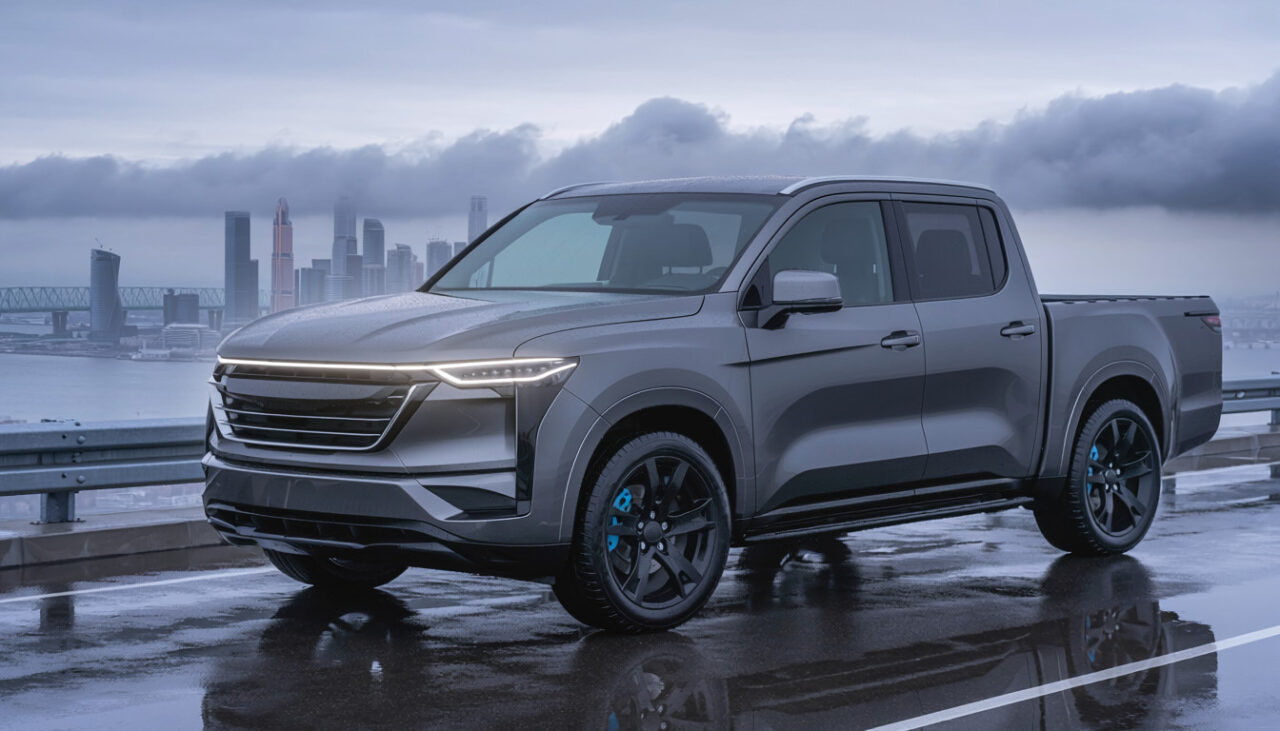

Electric pickups blend rugged utility with zero‑emission power, offering comparable towing and payload to conventional trucks while cutting fuel costs. Rapid improvements in high‑voltage, high‑capacity batteries—often 400 kWh packs—provide 400 km range in under 30 minutes at fast‑charging hubs, easing range anxiety. Strong federal, state, and regional incentives lower purchase prices and fund dense charging networks, especially in California and Europe. Regenerative braking, V2G capability, and OTA updates boost efficiency and resale confidence, making them attractive for both consumers and fleets. Continued exploration reveals deeper market dynamics and model‑specific advantages.
Key Takeaways
- Lower total‑cost‑of‑ownership thanks to cheaper electricity, reduced maintenance, and strong resale forecasts.
- Expanded fast‑charging infrastructure, especially 800 V hubs, provides 120 mi range in ~10 min, easing range‑anxiety for work and travel.
- High‑performance battery chemistries (NMC, EDV‑700) and 400‑kWh LFP packs enable 400‑km ranges and rapid 30‑min recharges for daily duties.
- Manufacturer incentives, OTA upgrades, and dealer‑network support boost consumer confidence and long‑term reliability.
- Regulatory incentives and dense charging networks in regions like California, plus expanding subsidies in Asia‑Pacific, accelerate adoption.
Top Electric Pickups Dominating 2024‑2025 Sales
The sales leaderboard for electric pickups in 2024‑2025 reads like a high‑stakes race, with the Ford F‑150 Lightning maintaining the top spot through Q3 2025 at 10,005 units—a 39.7 % year‑over‑year increase—and a cumulative 23,024 units for the year, edging ahead by 1 % over its predecessor.
Lightning’s surge lifted its market share, prompting analysts to examine charging behavior trends among fleet operators who prioritize rapid turnaround.
Tesla Cybertruck follows closely, its bold styling and ecosystem integration driving a steady rise in units sold.
Chevrolet Silverado EV and GMC Sierra EV secure third and fifth positions, respectively, each offering extended range that influences charging station placement.
Rivian R1T, noted for balanced performance, rounds out the top five, reinforcing a competitive ecosystem that rewards both capability and efficient charging habits. C/D Rating 10/10
Real‑world range varies significantly with temperature, load, and speed, so buyers should verify trim‑specific EPA estimates before purchase.
The market’s tipping point arrived in 2025 as reliable performance across daily commutes, towing, and heavy‑duty work eliminated range anxiety for most users.
How 400‑kWh Battery Packs Deliver 400 km Range in <30 min
Accelerating a 400‑kWh lithium‑iron‑phosphate pack to deliver 400 km of range in under 30 minutes hinges on three interrelated factors: high‑voltage architecture, targeted state‑of‑charge (SOC) windows, and supplemental extended‑range power. An 800 V DC system permits 350 kW bursts, while battery thermalization maintains cell temperature within ideal limits, preventing degradation during rapid influx. Charge tapering engages after 90 % SOC, smoothing power flow and protecting the pack. The vehicle operates primarily between 20 %–90 % SOC, where efficiency peaks, and invokes a 90 kW extended‑range module once SOC falls below 10 %, adding 600 km of auxiliary range. This calibrated approach yields a reliable 400 km pure‑electric segment, satisfying short‑haul users and reinforcing community confidence in electric pickups. 800V public DC fast charging provides up to 120 miles of range in approximately ten minutes. The recent 1059‑mile test by GM engineers demonstrated that ultra‑low‑speed hypermiling can more than double a vehicle’s EPA‑estimated range. extended‑range system operates automatically when SOC drops below 10 %, ensuring continuous operation without driver intervention.
How U.S., EU, and China Incentives Accelerate Electric Pickup Adoption
Across the United States, Europe, and China, layered incentive structures—federal tax credits, state rebates, regional subsidies, and regulatory mandates—collectively shrink upfront costs and expand charging infrastructure, thereby accelerating electric pickup adoption.
Policy comparisons reveal divergent incentive timelines: the U.S. federal tax credit of up to $7,500 expires September 2025, while state rebates and dealer discounts extend support through 2026, and fleet incentives reach $40,000 per vehicle in 2026.
The EU’s 2035 zero‑emission target drives interim subsidies—Germany’s €9,000 and France’s €7,000—through 2025, complemented by tax exemptions and infrastructure funding.
China’s purchase tax exemptions and local plate privileges persist through 2025, with dual‑credit mandates enforcing production quotas.
These coordinated measures reduce price barriers, spur infrastructure growth, and nurture a shared commitment to electrified pickups. The used EV credit can be as high as $4,000, offering additional savings for pre‑owned electric pickups. The IRA extension provides a stable planning horizon for fleet electrification. Dealerships also offered an instant discount at the point of sale, allowing buyers to apply the credit immediately.
Why Fast‑Charging Hubs and Megawatt Stations Matter for Long‑Haul Trucks
Incentive‑driven cost reductions have spurred market entry for electric pickups, yet long‑haul freight demands a charging paradigm that matches diesel turnaround times.
Fast‑charging hubs equipped with megawatt logistics stations deliver up to 1,000 kW, reducing 20 %‑to‑80 % battery fills to 30‑45 minutes and aligning with regulatory 45‑minute driver breaks. This compression of idle time preserves driver productivity, allowing trucks to maintain diesel‑like schedules without overnight charging.
The specialized MCS connector supports 3.5 MW outputs, enabling 800 kWh Class 8 trucks to recharge during routine loading or rest periods.
Early deployments in Europe and California demonstrate that predictable, high‑power bursts increase vehicle utilization, streamline logistics, and provide a competitive edge for fleets seeking seamless integration into existing supply chains. MCS testing shows that the eActros 600 can charge from 20 % to 80 % in about 30 minutes, confirming the feasibility of rapid top for long‑haul operations.
Regenerative Braking, Towing Upgrades, and V2G Benefits for Fleets
Leveraging regenerative braking, electric pickups recapture up to 90 % of kinetic energy, extending daily range and reducing brake‑pad wear while providing a steady 39 kWh of usable energy per charge cycle.
Regenerative strategies prioritize generator mode before retarder and friction brakes, allowing most stops to be handled by electric deceleration and preserving pad life.
In towing scenarios, Towing integration applies negative torque to control slowing, maximizing energy recovery during load‑heavy deceleration and reducing reliance on service brakes.
Fleet operators benefit from vehicle‑to‑grid (V2G) capability, exporting surplus regenerated electricity during off‑peak periods and participating in demand‑response programs.
Combined, these features lower maintenance costs, increase operational uptime, and reinforce a collective identity among users committed to efficient, sustainable fleet performance.
Key Buyer Evaluation Criteria for Electric Pickups
Regenerative braking and V2G capabilities set the technical foundation, but buyers now focus on concrete specifications, price, brand reputation, range, performance, and battery condition when evaluating electric pickups.
Spec sheets reveal that 34 % of purchasers rank specifications highest, comparing Range Metrics such as Ford F‑150 Lightning’s 320‑mile EPA estimate against Rivian R1T’s 350‑mile claim and Chevy Silverado EV’s 450‑mile lead.
Price remains a decisive factor for 28 % of shoppers; depreciation on used models improves affordability, while premium tags on Tesla Cybertruck and GMC Hummer EV deter many.
Brand Trust drives 20 % of decisions, with Ford’s 67 % consideration and Chevy’s 63 % loyalty outpacing newer entrants.
Battery health reports, capacity scores, and charge‑history audits complete the evaluation, ensuring long‑term reliability for work and leisure use.
Regional Growth Hotspots: North America Lead vs. Asia‑Pacific Surge
Across North America, market dominance is evident as the region’s electric‑pickup share rose from $1.59 billion in 2023 to $1.67 billion in 2024, driven by robust consumer demand, substantial federal tax credits, and aggressive roll‑outs from legacy manufacturers.
The United States now records $25.18 billion in sales, projected to reach $71.21 billion by 2030, while California’s regulatory incentives and dense fast‑charging network mitigate charging deserts.
In contrast, Asia‑Pacific experiences a rapid surge despite incentive disparities; China’s aggressive subsidies and expanding urban fleets fuel growth, yet many secondary markets still lack adequate charging infrastructure, creating pockets of charging deserts.
Japan and South Korea leverage strong dealer networks and targeted tax rebates, narrowing the gap.
Both regions illustrate how policy, infrastructure, and consumer cohesion shape electric‑pickup adoption.
Which Manufacturers Lead the Market and What Their Flagship Models Offer?
In the competitive landscape of electric pickups, Ford, Rivian, Tesla, and General Motors dominate, each leveraging distinct flagship models that define their market strategy.
Ford’s F‑150 Lightning capitalizes on brand partnerships and a nationwide dealer network, delivering rugged utility with advanced tech and strong resale forecasts.
Rivian’s R1T emphasizes adaptable power, using compact EDV‑700 packs for efficient daily loops and positioning itself as an innovative leader.
Tesla’s Cybertruck commands a 59 % U.S. EV share, offering NMC battery range and rapid charging, bolstering resale confidence.
GM’s Chevrolet Silverado EV and GMC Hummer EV, built on Ultium, provide off‑road capability and OTA upgrades, reinforcing market share ambitions.
Together, these manufacturers shape consumer belonging through performance, reliability, and projected resale values.
References
- https://www.fortunebusinessinsights.com/electric-pickup-truck-market-114089
- https://www.mordorintelligence.com/industry-reports/electric-truck-market
- https://world.einnews.com/pr_news/898943789/electric-pickup-truck-market-strategic-insights-emerging-opportunities-key-trends-and-competitive-landscape-by-2033
- https://www.thebusinessresearchcompany.com/report/electric-truck-global-market-report
- https://www.datainsightsreports.com/reports/electric-pickup-truck-market-559
- https://www.youtube.com/watch?v=cHCUiSpw-dI
- https://www.researchandmarkets.com/reports/5355855/pickup-truck-market-outlook-2026-2034-market
- https://www.cognitivemarketresearch.com/electric-pickup-truck-market-report
- https://www.roadandtrack.com/rankings/g42007895/best-electric-trucks/
- https://www.caranddriver.com/rankings/best-pickup-trucks/electric